If you recently asked for a quote and felt surprised by the number, you are not alone. Many Indianapolis homeowners call a surveyor expecting a small fee to “just find the corners.” Then the estimate arrives, and suddenly the boundary survey price feels higher than expected.
However, once you understand what drives the cost, things start to make sense. More importantly, you can influence that number.
Why Boundary Survey Price Varies in Indianapolis
First, you need to know what you are paying for.
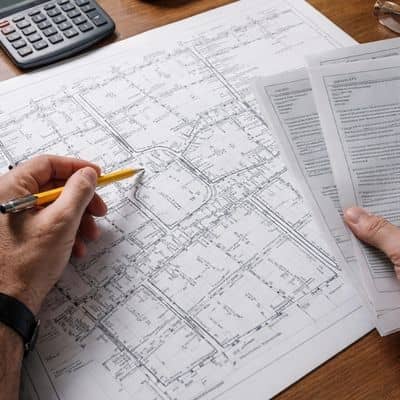
A boundary survey is not just someone walking around with a metal detector. A licensed surveyor must research your deed and legal description, study subdivision plats, locate existing monuments, measure the property with precision equipment, analyze the data, and take legal responsibility for the results.
In older Indianapolis neighborhoods like Irvington or Broad Ripple, records sometimes conflict. Corner markers may sit buried under fences or landscaping. As a result, fieldwork and research time increase, which directly affects boundary survey price.
On the other hand, newer subdivisions usually have clearer records and easier access. Therefore, survey work often moves faster in those areas.
Now let’s talk about what you can control.
1. Keep the Scope Focused
You cannot change the size of your lot. However, you can control what you request.
First, ask for a boundary-only survey if that is all you need. Many homeowners request topographic details or full site plans when they only need corners marked for a fence. By keeping the scope focused, you avoid paying for services you will not use.
Also, clearly state your goal in one sentence. For example, say, “I need corners marked for a fence permit.” Clear direction prevents unnecessary drafting or expanded scope. In turn, the boundary survey price stays aligned with your purpose.
2. Provide Information Early
Preparation saves time, and time affects cost.
Provide your deed and legal description upfront. When you send these documents early, the surveyor saves research time. Instead of searching county records from scratch, they can begin analysis immediately.
In addition, tell the surveyor if you have seen possible corner pins. Many Indianapolis lots still have iron rods set years ago. If you point out what you have noticed, crews spend less time searching. However, never move a pin yourself. That can create serious legal problems.
You can also ask whether the company has surveyed nearby lots recently. In many subdivisions, properties share common control points. If a surveyor already worked on your neighbor’s property, existing data may streamline your project. While this does not guarantee a discount, it can improve efficiency.
3. Improve Field Access
Field time directly affects boundary survey price.
Before the crew arrives, unlock gates, secure pets, and move yard debris. If surveyors can access suspected corners easily, they work faster.
Dense brush, locked fences, or heavy landscaping slow progress. Even small obstacles add up over several hours. Therefore, simple preparation helps control cost.
4. Think About Timing
Season matters more than most homeowners realize.
Spring and early summer bring heavy demand because fence projects increase across Indianapolis. During that time, survey schedules fill quickly.
If your schedule allows flexibility, booking during a slower season may help with availability. Although prices may not drop dramatically, fewer scheduling delays often reduce complications and rushed timelines.
5. Understand What “Corners Marked” Includes
Here is where confusion often starts.
Some quotes provide temporary wood stakes only. Others include permanent iron pins and a stamped drawing. If you only need visible corner locations, you may not require a full drafted survey plat.
However, if you plan to sell your home or resolve a dispute, you may need the official signed drawing. Matching the service to your real need keeps your boundary survey price realistic.
6. Coordinate With Your Neighbor
Shared lines mean shared interest.
If your neighbor also plans improvements, consider coordinating timing. When surveyors handle adjacent lots during one mobilization, field efficiency improves.
While this does not always lower the quote, it can reduce duplicated effort and prevent future disagreements.
What You Should Never Do to Save Money
While lowering cost makes sense, cutting corners does not.
Do not rely on fence lines. Do not trust online GIS maps. Do not measure with a tape from Google Earth. These tools provide rough visuals, not legal boundaries.
Moreover, never remove or relocate an iron pin. Only a licensed surveyor can evaluate and set property monuments properly.
Trying to “eyeball” property lines often leads to larger expenses later. Fence relocation, legal disputes, and neighbor conflict cost far more than a professional survey.
What Is a Realistic Boundary Survey Price?
For a typical residential lot between 0.15 and 0.50 acres, homeowners in Indianapolis often receive moderate quotes that reflect research, field time, and professional liability.
Smaller, newer subdivision lots generally fall on the lower end. Older neighborhoods with unclear records or missing monuments often require more work.
Corner-only marking usually costs less than a full boundary survey with a stamped drawing. However, if you plan to sell your home, resolve a dispute, or confirm encroachments, investing in the complete service makes sense.
Ultimately, boundary survey price reflects expertise, responsibility, and time spent ensuring accuracy.
The Bottom Line
A boundary survey protects your investment. It prevents fence disputes, driveway encroachments, and costly legal issues.
Fortunately, you can influence the boundary survey price by preparing documents, clarifying your goal, improving site access, and requesting only what you truly need.
If you own a residential lot and want a clear, transparent quote, contact a licensed local surveyor before starting your project. Ask focused questions. Share helpful information early. Treat the survey as protection, not just an expense.
In the end, a well-planned boundary survey costs far less than correcting a boundary mistake after construction begins.