
Putting up a fence may seem easy. You measure the yard, mark a line, and start digging. However, many homeowners soon find that fence placement is not always simple. A small mistake can turn into a big problem. It can cause neighbor disputes, legal trouble, and costly rebuilds. That is why a property survey for fence placement matters more than most people think.
When property lines are unclear, fences often end up in the wrong spot. Even a few inches can cause problems. Over time, these small issues can grow into serious conflicts. They can affect both your peace of mind and your money. Thankfully, good planning and expert help can stop these problems before they start.
Why Fence Placement Causes So Many Problems
Many homeowners believe their property line follows an old fence, a row of trees, or the edge of the yard. Sadly, these clues often do not match the true legal boundary. Over time, fences shift, trees grow, and markers disappear. Because of this, many homeowners guess instead of using exact measurements.
In older neighborhoods, this problem happens even more often. Properties change owners many times, and original boundary markers may be gone. Without clear points to follow, people estimate where the line should be. This leads to misplaced fences and upset neighbors.
Even in newer areas, mistakes still happen. Builders sometimes rely on building plans instead of legal surveys. While plans help guide construction, they do not show exact property lines. As a result, even small mistakes can lead to big problems later.
What Is a Property Survey for Fence Placement?
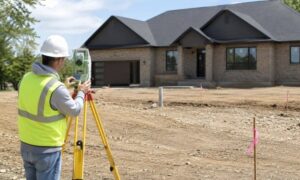
A property survey for fence placement shows the exact location of your legal boundary before construction begins. A licensed land surveyor reviews property records and makes careful field measurements using special tools. This process removes guesswork and replaces it with clear facts.
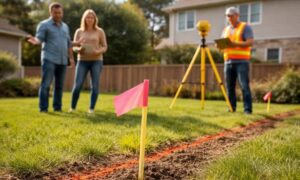
During the survey, the surveyor finds or resets property corners and measures boundary lines. Once the correct line is clear, the surveyor marks the fence path so workers know exactly where to build. This helps keep the fence fully on your property.
By checking boundaries early, homeowners avoid costly mistakes and future disputes. Instead of hoping the fence is right, they know it is.
The Real Cost of Skipping a Fence Survey
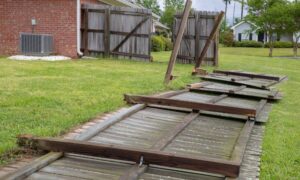
Skipping a survey may seem like a way to save money. However, it often costs much more later. If a fence crosses the property line, homeowners may need to tear it down and rebuild it. Labor, materials, and time quickly add up.
Legal fees and permit delays can raise costs even higher. Some disputes even go to court, which causes stress and money problems. On top of that, fights with neighbors can create tension that lasts for years.
In contrast, paying for a property survey for fence placement protects both your money and your peace of mind. The cost up front is small compared to fixing mistakes later.
Common Fence Placement Mistakes That Lead to Disputes
Many fence problems happen for the same reasons. Knowing these mistakes helps homeowners avoid trouble.
One common mistake is trusting old fences. Many older fences were never placed using proper surveys. Their location often does not match the true boundary. Replacing them without checking the line simply repeats the same mistake.
Another mistake is using online maps. While property maps can give rough ideas, they are not accurate enough for building. These tools help with planning, but they cannot replace a licensed survey.
Some homeowners measure from houses, sheds, or driveways instead of property corners. Since buildings do not always line up with boundaries, this causes errors. Over time, these small errors move the fence into the wrong spot.
Finally, some homeowners let fence installers decide where the fence should go. While installers have experience, they cannot legally define property lines. Only licensed surveyors can do that.
How a Fence Survey Prevents Neighbor Conflicts

A professional survey removes doubt. Once boundary lines are clearly marked, neighbors can see where the fence belongs. This clarity lowers tension and helps avoid arguments.
When both sides understand the legal boundary, disputes often fade. Many homeowners find that neighbors feel relieved once the line is clear. This shared understanding protects relationships and prevents long-term problems.
Written survey records also offer legal protection. If questions come up later, these records support your fence placement and show that rules were followed.
How the Fence Survey Process Works
The process begins with careful research. Surveyors review property deeds, plats, and legal descriptions. This step helps confirm the correct boundary.
Next, crews visit the property to find existing markers or reset missing corners. Using precise tools, they measure distances and angles. After checking boundaries, they clearly mark the fence line for builders to follow.
This step-by-step process ensures accuracy from start to finish. Once done, homeowners can move forward with confidence, knowing their fence sits on the right line.
When You Should Always Get a Fence Survey
Some situations need professional checks more than others. You should strongly consider a property survey for fence placement when installing a new fence, replacing an old one, buying property, or fixing a boundary dispute.
Other cases include building on uneven lots, owning a corner property, or living in older neighborhoods where markers may be missing. In these cases, surveying protects your investment and prevents costly surprises.
Fence Survey Considerations for Homeowners
Indianapolis neighborhoods include many older areas, narrow lots, and shared alley access. These features often make boundaries unclear. Over time, fences move, markers disappear, and property lines become confusing.
Home upgrades and new projects also uncover hidden boundary issues. Because of this, Indianapolis homeowners benefit from accurate fence surveys before building.
A property survey for fence placement also helps meet zoning rules and protects homeowners during sales or refinances.
How to Choose the Right Surveyor for Your Fence Project
Before hiring a surveyor, ask a few simple questions. Check that they hold a license. Ask if property corners and fence lines will be marked. Request a simple site sketch for builders. Knowing the schedule and results helps the project run smoothly.
Clear communication between the homeowner, surveyor, and fence installer prevents confusion and leads to better results.
Build With Confidence, Not Guesswork
Fences define space, add privacy, and improve how a home looks. However, without good planning, they often cause stress and money loss. That is why a property survey for fence placement remains one of the best choices homeowners can make.
Instead of guessing, trust professional measurement. Rather than risk disputes, choose clear answers. By checking boundaries before building, you protect your home, your money, and your peace of mind.
In the end, building your fence the right way the first time saves money, keeps neighbors happy, and gives lasting confidence in your property.