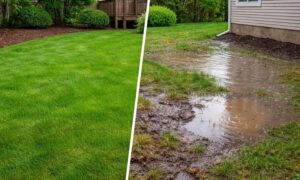
You walk a lot in Indianapolis and it looks fine. The ground feels flat. Nothing seems off. Then a hard rain comes through and water sits where you plan to build.
That happens more than most people expect.
Drainage problems rarely show up during a quick site visit. They show up later, when it’s already costing money. That’s why more buyers and builders now check LiDAR mapping before they move forward.
This step gives you a clearer view of how water behaves on a property. It helps you make a smarter call before you hire a surveyor or start design work.
Why drainage issues hide in plain sight
Indianapolis has many lots that look level. Still, small changes in elevation control where water goes. A few inches can decide if water drains away or sits in one spot.
Also, nearby properties play a big role. A higher lot next door can send water right onto your site. On top of that, soil in many areas does not drain fast. So once water collects, it sticks around.
Because of that, a lot can look dry on a sunny day but act very differently after rain.
What LiDAR mapping shows you early
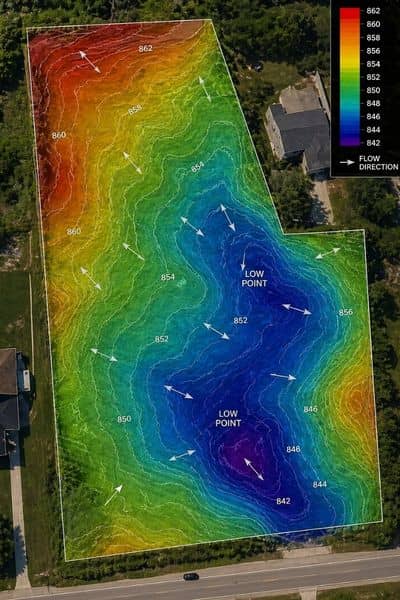
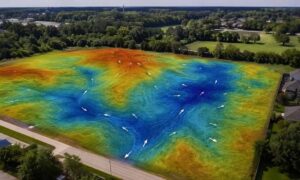
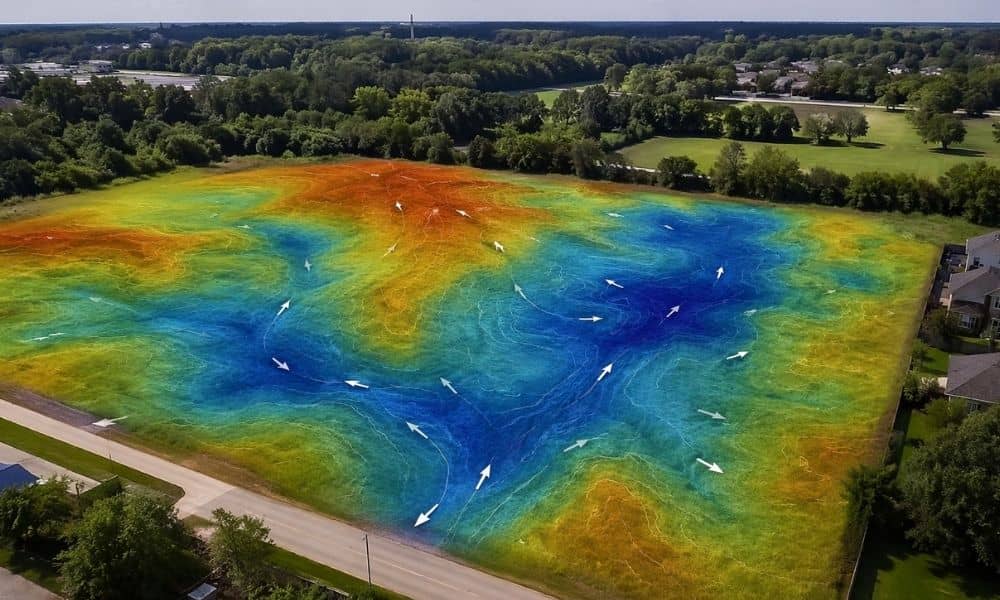
LiDAR mapping gives you a clearer look at the ground than what you get just by walking the site. It doesn’t rely on guesswork or first impressions. Instead, it shows how the land actually rises and falls across the entire lot.
When you look at it, a few things usually become obvious:
- where the higher ground sits
- where water is likely to collect
- how water moves across the site
- whether runoff from nearby land could end up on your property
A lot of lots look flat when you’re standing on them. But once you see the elevation data, the picture can change quickly.
That’s why some buyers use it early, just to spot drainage issues on a lot using LiDAR mapping before site work starts, especially when they want to avoid surprises after heavy rain.
After that, the land doesn’t feel like a blank space anymore. It starts to make sense in a way you can actually work with.
A simple way to review drainage risk
You don’t need to be an engineer to spot basic issues. You just need to know what to look for.
Start with the slope. Ask one simple question: where would water go if it rained hard?
If you can’t see a clear direction, that’s a warning sign.
Next, look for flat zones. These areas often hold water because nothing pushes it away. They may seem harmless at first, but they often lead to pooling.
Then check the edges of the lot. If nearby land sits higher, water may flow onto your property. That creates problems even if your lot looks fine on its own.
This quick review helps you decide if the site needs more attention.
Common red flags buyers miss
Many people skip this step and regret it later. These are the most common issues LiDAR mapping brings out early.
One is a build area that slopes the wrong way. Water moves toward where the house or structure will sit. That leads to long-term problems if not fixed.
Another is a hidden low spot. It may not look deep, but it collects water after every storm. Over time, that can damage foundations or create standing water near structures.
A third issue comes from nearby lots. If the land around you drains toward your property, you inherit that water. That problem does not show during a quick walk.
These issues are easy to miss without elevation data.
Why this step saves money
Checking LiDAR mapping early can change your decision. You may decide to move forward with confidence. Or you may pause and rethink the project.
Either way, you avoid guessing.
It also helps you avoid redesign later. Fixing drainage after plans are done costs more. Fixing it during construction costs even more.
Early insight keeps your budget under control. It also keeps your timeline from slipping.
When you still need a survey
LiDAR mapping helps you screen a property, but it doesn’t replace a full survey.
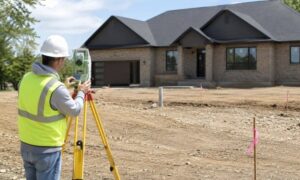
Once you start planning a build, a survey becomes part of the process. You’ll need it for permits, design work, and laying things out on the ground where small details start to matter.
The benefit is you’re not guessing anymore. You already have a sense of how the site behaves, so the survey doesn’t start from scratch. It can focus on the areas that actually need attention.
At that point, many people go ahead and request a land survey before starting construction so they can confirm everything and move forward with fewer surprises.
From there, it’s less about figuring out the land and more about making sure what’s on paper matches what’s actually there.
How to talk to your surveyor after reviewing the site
Once you’ve looked at LiDAR data, your conversation changes.
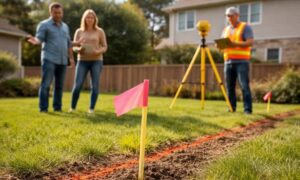
You can point to specific areas and ask about them. You can ask if grading will be needed. You can ask how water will move once the site is built.
That leads to better answers. It also helps the surveyor focus on what matters most for your project.
Instead of starting from zero, you start with a clear idea of the site.
A smarter way to start a project
Drainage problems cause delays, cost overruns, and frustration. Most of them could have been spotted earlier.
LiDAR mapping gives you that early look.
It helps you see what the ground is really doing. It helps you avoid surprises. And it helps you make better decisions before you spend money on field work.
If you’re looking at a lot, take a few minutes to review the elevation first. It’s a simple step, but it can save you from a much bigger problem later.