Property line fights don’t stay quiet anymore. In the past, neighbors argued over fences or driveways and handled it privately. Today, however, many of these disputes explode online, draw public attention, and even reach the news. A small boundary question can quickly turn into a legal and financial mess. So what actually settles these conflicts when emotions run high? In most cases, the turning point comes from one place: land surveying.
Clear measurements beat loud opinions every time. That’s why surveys often become the final word when property disputes go public.
Why Small Boundary Mistakes Turn Into Big Public Conflicts
Most property disputes don’t begin with bad behavior. Instead, they start with confidence in the wrong information. A homeowner believes the fence marks the line. A builder trusts an old sketch. A neighbor relies on a map app measurement. Everything feels certain — until someone challenges it.
At that moment, tension grows fast.
Meanwhile, each side gathers “proof” from different sources. One person shows a deed. Another shows a satellite image. Someone points to a long-standing tree line. Unfortunately, none of those alone confirm the legal boundary on the ground.
As a result, the disagreement spreads. Friends and family take sides. Social media weighs in. Still, no one has measured facts yet. That gap keeps the conflict alive.
The Dangerous Comfort of “Close Enough”
People often believe they know where their property lines sit. After all, the yard looks obvious. The fence seems straight. The driveway feels centered. However, land boundaries rarely match visual guesses.
In reality, many features sit slightly off line. Old fences drift. Markers get buried. Corners move during grading. Over time, these small shifts stack up. Then one new project — maybe a shed or addition — exposes the mismatch.
At that point, “close enough” stops working.
This is exactly where land surveying steps in. Instead of relying on appearance, surveyors rely on measurement and record evidence. That shift from guesswork to proof changes the entire conversation.
What Land Surveying Brings That Maps and Deeds Cannot
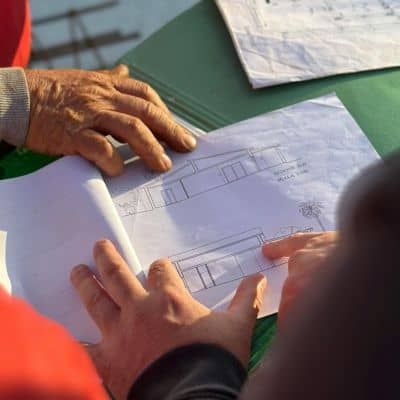
Online maps help people find locations. Deeds describe land in words. Still, neither one places a boundary physically on the site. Only field measurement can do that.
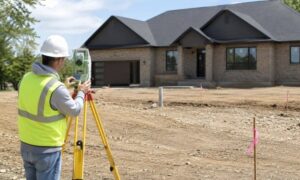
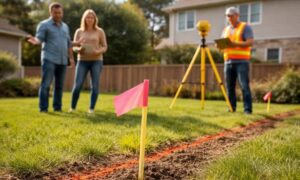
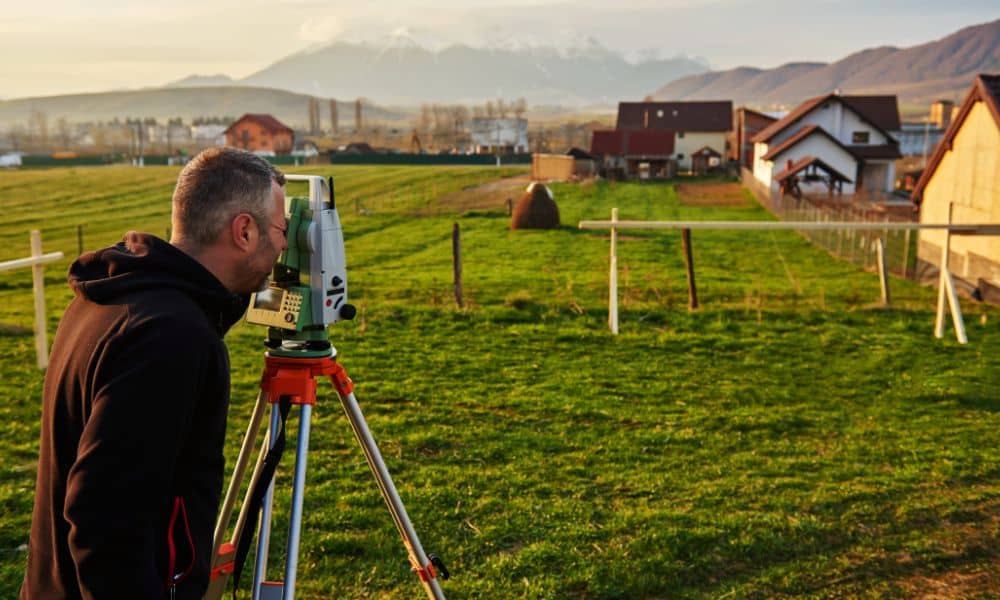
Land surveying connects the paper record to the real ground. A surveyor researches past documents, subdivision plats, and prior surveys. Then they inspect the property, locate monuments, measure distances, and compare physical evidence. After that, they build a boundary solution based on facts.
Because of this process, a survey drawing carries weight. Attorneys trust it. Title companies rely on it. Courts accept it. Cities review it during permit checks.
In other words, a survey doesn’t argue — it demonstrates.
Why Viral Property Disputes Often Lack One Key Step
When a property conflict goes public, one pattern shows up again and again. Someone built first and verified later — or never verified at all.
For example, a structure appears near a boundary. A neighbor objects. Each side shares photos and diagrams online. Supporters debate who is right. Yet no stamped survey appears in the discussion. Without that measured reference, the fight keeps going.
On the other hand, when land surveying happens early, disputes usually cool down faster. Once both sides see measured lines and monument positions, the debate shifts from emotion to evidence.
Therefore, surveys don’t just define space — they reduce heat.
Everyday Situations Where This Happens More Than People Expect
These conflicts don’t only happen in extreme cases. They happen in normal neighborhoods all the time. Growing cities like Indianapolis see this often, especially where older lots meet new development.
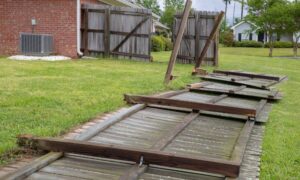
A replacement fence reveals an offset line. A driveway widening crosses a corner. An infill build pushes close to setbacks. A shared access lane creates confusion. Each case feels unique to the owners — yet surveyors see these patterns regularly.
Moreover, many properties change hands without updated surveys. Each new owner trusts the last improvement layout. Eventually, someone questions it, and the disagreement starts fresh.
That cycle repeats until someone orders land surveying.
The Cost of Skipping Measurement Up Front
At first, skipping a survey looks like a way to save money. However, that shortcut often creates larger expenses later. When boundaries stay unverified, projects carry hidden risk.
Construction can pause. Permits can fail. Improvements may need relocation. Legal help becomes necessary. Neighbor relationships suffer. Even property sales can stall when title questions appear.
On the flip side, verified boundaries give owners confidence before they build. They also give designers and contractors reliable limits to follow. That clarity protects the schedule and the budget.
So while a survey adds an early step, it removes later surprises.
How Land Surveying Helps Resolve Disputes Fairly
When a dispute already exists, land surveying still offers a path forward. In fact, it often becomes the neutral ground both sides accept. Surveyors don’t defend owners — they defend measurements.
Because of that neutrality, discussions improve. Instead of arguing positions, neighbors review data. Then they can adjust plans, move improvements, or create written agreements with confidence.
Attorneys also work more efficiently with survey drawings in hand. Cities respond faster when clear boundary evidence supports a request. Step by step, measured facts replace heated claims.
That shift turns conflict into resolution.
Clear Lines Create Calmer Outcomes
Property disputes grow loud when facts stay unclear. They calm down when reliable measurements appear. That’s why land surveying becomes the deciding factor when conflicts reach the public stage.
Before building, buying, or expanding, verify the boundaries. A professional survey provides clarity that opinions cannot. More importantly, it prevents small mistakes from turning into major public battles.
In property matters, clear lines don’t just mark land — they protect peace.