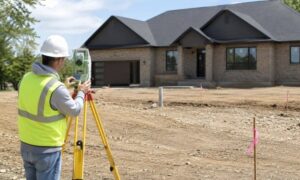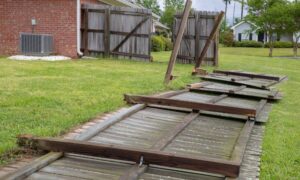

A notice shows up on your door. Or maybe a crew in safety vests walks near your fence line. Someone explains they’re a land surveyor and need access to your property. Right away, questions come to mind. Is this normal? Who sent them? Should you allow it?
Lately, more property owners are running into this situation. New roads, utility upgrades, drainage fixes, and development projects all start with field measurements. Because of that, survey activity has become more visible to homeowners and business owners alike. Still, many people feel unsure about what to ask or how to respond.
The good news is simple. You don’t need legal training or technical knowledge. You only need a calm approach, a few smart questions, and basic documentation habits.
Why a Land Surveyor Might Need to Enter Your Property
Most people think surveys happen only on paper or by drone. In reality, a land surveyor often needs boots on the ground. Measurements, boundary checks, and elevation shots usually require physical positions on or near property lines.
For example, your property might sit near a planned utility upgrade. Or a nearby parcel could be preparing for construction. In other cases, a drainage or flood study may connect across several lots. As a result, the survey path sometimes crosses land owned by others.
However, access does not automatically mean construction starts soon. In many cases, this step simply supports early planning and design. Even so, you still have every right to understand what’s happening on your land.
Start With a Simple Verification Conversation
When a land surveyor requests access, start with a normal conversation. A professional crew expects questions and should answer clearly.
Ask who hired them and what project they support. Listen for a specific company name and project purpose. A real land surveyor will usually carry identification, a business card, or a work order number. Marked vehicles and labeled gear also help confirm legitimacy.
Next, take a moment to verify the company yourself. Look up the firm online and call the listed office number. This extra step takes only minutes, yet it removes doubt right away.
Verification is not rude. Instead, it shows you take your property seriously.
What You Should Feel Comfortable Asking
Once you confirm the crew is real, keep the conversation going. Think of it less like an interrogation and more like setting expectations.
A land surveyor should explain what kind of survey they are doing and which area they need to reach. Sometimes they only need a narrow strip along a boundary. Other times they need several measurement points spread across the site.
You can also ask how long the visit will last and whether they plan to place flags or stakes. That matters because many owners later notice markers and worry something changed legally. In truth, most field marks only guide measurements.
Clear answers now prevent confusion later. Good surveyors know this and usually explain the scope in plain language.
What Survey Work Usually Looks Like on Site
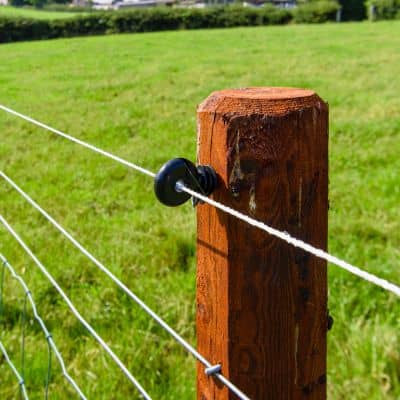
Many people picture heavy disturbance when they hear “field work.” In practice, most survey visits look quiet and controlled.
A land surveyor typically walks the area, sets up a tripod or GPS unit, and records positions. They may place small flags, paint dots, or wooden stakes to mark measured points. After that, they collect photos and notes for their records.
Most of the time, crews avoid damage to landscaping or surfaces. They are there to measure — not to modify. That said, knowing what normal survey activity looks like helps you spot anything unusual.
Why Documentation Helps Even When Everything Goes Smoothly
Even if the visit feels routine, take time to document conditions. This step is not about distrust. Instead, it’s about good property management.
Before access, take a few photos of fences, corners, gates, and yard areas near where crews will walk. Then keep any letters or emails connected to the request. If the land surveyor leaves a notice or sketch, save that too.
After the visit, take another quick set of photos. Now you have a simple before-and-after record. Most owners never need it. However, if questions arise, that record becomes very useful.
Documentation creates clarity, and clarity reduces disputes.
Understanding Access Rights Without the Legal Jargon
Property owners often worry about whether they must allow entry. The answer depends on project type and state rules. Some surveys require permission first. Others, especially tied to public infrastructure, may operate under limited access rights.
Still, a professional land surveyor usually tries to notify owners ahead of time. Communication keeps projects moving and prevents conflict.
If anything sounds unclear, ask for a written explanation. You can also call your county office for guidance. Getting facts early always works better than reacting later.
When It Makes Sense to Call Your Own Land Surveyor
Sometimes another party’s survey activity reveals boundary questions you never considered before. Stakes appear near your fence. Markers show up close to a structure. A neighbor suddenly talks about line locations.
At that point, hiring your own land surveyor gives you independent answers. That surveyor works for you and protects your interests. This step becomes especially important before building, fencing, or expanding improvements.
Independent verification often prevents long and expensive disputes.
A Calm, Informed Response Protects You Best
At first, a site access request can feel uncomfortable. However, most land surveyor visits stay routine and professional. Problems usually come from poor communication, not bad intent.
Therefore, respond with a calm mindset. Verify the crew. Ask clear questions. Take simple photos. Keep records. Then make your decision based on facts, not fear.
With development and infrastructure projects increasing, these encounters will happen more often. Fortunately, now you know exactly how to handle one when it happens on your property.