Severe storms hit Indianapolis hard. Heavy rain falls fast, and strong winds push water across yards. Then, everything seems fine again. However, the ground often tells a different story. After a storm, your property may not drain the same way. Water may sit where it never did before, and soil can shift without you noticing. Because of that, many property owners end up fixing the wrong problem. This is where a topographic survey becomes important. It helps you see what actually changed. It also helps you understand how a topographic survey shows elevation changes after storms, which makes it easier to figure out why water is moving differently and what needs to be fixed.
What Storms Really Change on Your Property
Most people notice the obvious damage after a storm. A broken fence or a damaged roof stands out right away. However, storms also change the ground in quieter ways that are easy to miss.
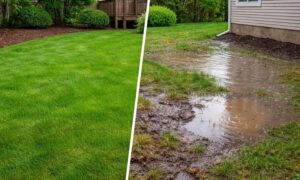
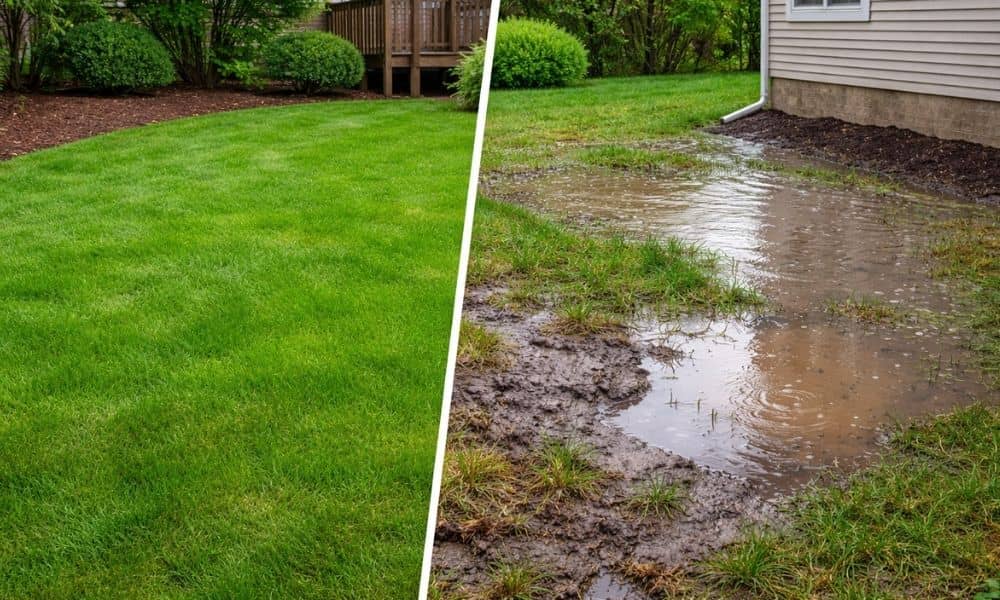
Heavy rain can wash soil away, and at the same time, it can shift soil into new areas. Because of that, your yard may end up with small dips or slightly raised spots. These changes may seem minor, but they affect how water moves. That’s often why water starts collecting in new places, as small changes in ground elevation that affect drainage begin to take shape across your yard.
In Indianapolis, this becomes even more noticeable. The soil in many areas does not drain quickly, so even a slight change in elevation can change how water behaves. As a result, you might see your yard staying wet longer than usual or water moving closer to your home.
Sometimes, water may even start flowing toward a neighbor’s property. At first, these changes seem small. However, over time, they can turn into bigger and more expensive problems if left unchecked.
Why Quick Fixes Often Make Things Worse
After a storm, it’s normal to want a fast solution. Many people add soil to low spots or try to redirect water right away. While this feels like progress, it often misses the real issue.
The problem is simple. If you don’t understand how the land changed, you can’t fix it correctly.
For example, adding soil in one area may push water somewhere else. That new path might lead toward your foundation or into another part of your yard. Then, the next storm brings the same problem back, or even worse.
Because of that, quick fixes often turn into repeat repairs. Instead of solving the issue, they create a cycle of trial and error.
Why It’s Hard to See Drainage Problems Clearly
At first glance, your yard may look flat. However, your eyes cannot measure small elevation changes. Even a slight slope can control how water flows.
After a storm, these small changes become important. A tiny dip can turn into a pooling area. A slight tilt can redirect water across your property.
This is why many drainage problems seem confusing. You see the water, but you don’t know why it behaves that way.
Without accurate information, every fix becomes a guess. And guessing rarely works when it comes to drainage.
How a Topographic Survey Brings Clarity
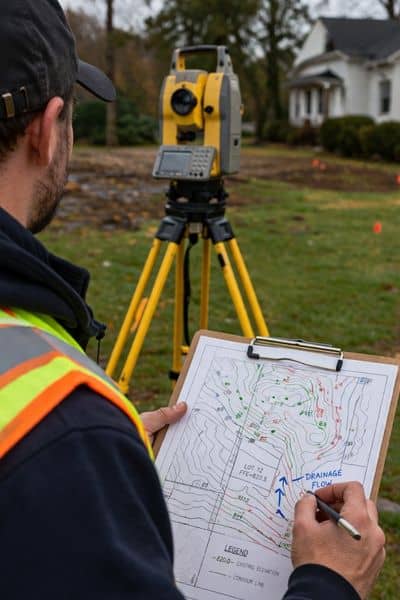
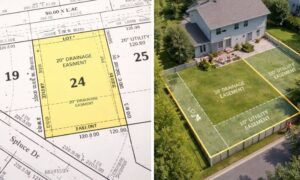
A topographic survey gives you a clear picture of your land. It shows elevations, slopes, and surface features across your property.
After a storm, this information becomes very valuable. You can see where the ground is higher or lower. You can also understand how water now moves across the surface.
Instead of guessing, you get facts. You can identify the true source of the problem. Because of that, you can focus on the right solution from the beginning.
This changes how you approach repairs. Rather than reacting to water, you understand its path and plan accordingly.
Why This Matters for Indianapolis Properties
Indianapolis properties face unique challenges. Many areas have flat or gently sloped land. At the same time, soil conditions can slow down drainage.
Because of this, even small changes after a storm can lead to noticeable problems. Water may stay longer on the surface. It may also spread in ways you did not expect.
Older neighborhoods can have added complications. Over time, grading may shift from years of use and past storms. Newer developments, on the other hand, often rely on precise grading. Even a small change can disrupt how water is supposed to flow.
So, whether your property is new or old, storm damage can affect how your land performs.
Why Waiting or Guessing Can Cost More Later
It may feel easier to wait and see if the problem goes away. However, drainage issues rarely fix themselves.
Water that sits near your home can weaken the ground. Over time, it may affect your foundation. In other cases, repeated pooling can damage landscaping or hard surfaces.
At the same time, fixing the wrong area can waste money. You may pay for work that does not solve the issue. Then, you pay again to correct it.
Because of that, taking the time to understand the problem can save you more in the long run.
When It’s Time to Bring in a Professional
If your property behaves differently after a storm, it’s a sign to take a closer look. Water should not suddenly change its pattern without a reason.
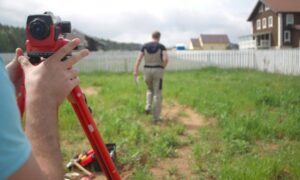
A licensed land surveyor can provide that clarity. With a topographic survey, they measure your property with precision. They show how the land sits now, not how it used to be.
This allows you to move forward with confidence. Instead of guessing, you make decisions based on accurate data.
Making the Right Fix the First Time
Once you understand your land, fixing the problem becomes much easier. You can plan grading changes that guide water away from your home. You can also design drainage solutions that work with the natural slope of your property.
Because the solution is based on real measurements, it works better. It also lasts longer.
This approach removes the guesswork. It turns a frustrating problem into a clear plan.
Final Thoughts
Severe storms in Indianapolis do more than cause visible damage. They change how your land behaves. Even small shifts in elevation can lead to new drainage problems.
Because of that, rushing into repairs can make things worse. However, a topographic survey gives you the information you need to act with confidence.
If your property drains differently after a storm, don’t rely on guesswork. Start by understanding the land. From there, you can fix the problem the right way and avoid bigger issues down the road.