A strong storm can change your yard overnight.
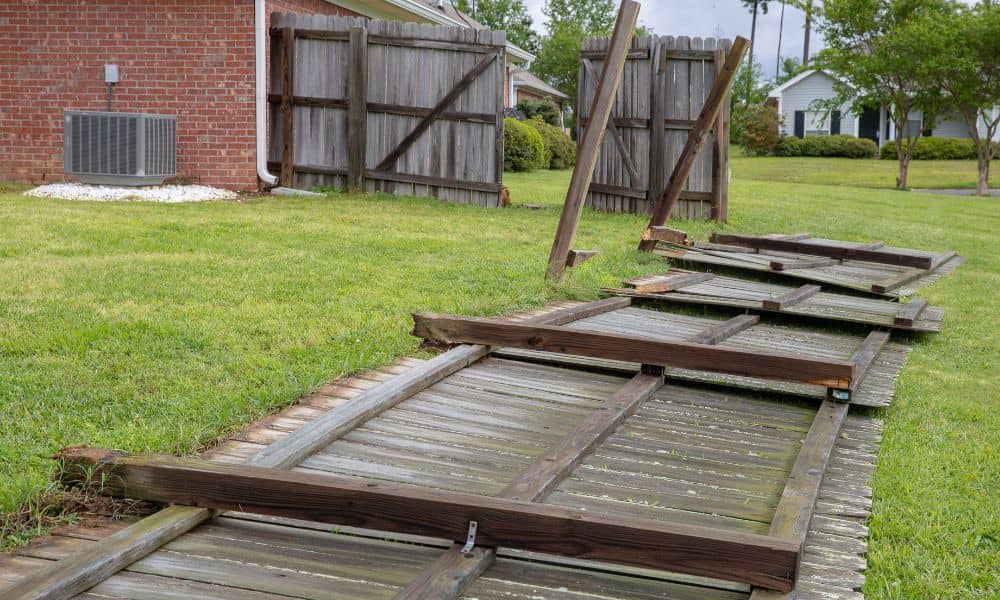
One day, everything looks normal. The next day, a tree is down, your fence is gone, and debris is spread across the ground. You step outside ready to clean up. Then you stop.
Where does your property actually end?
This is where many homeowners in Indianapolis get stuck. After storm damage, boundaries are not always clear. And if you guess wrong, you can create bigger problems than the storm itself.
Storm Damage Can Change What You See
After a storm, the things you used to trust may no longer help.
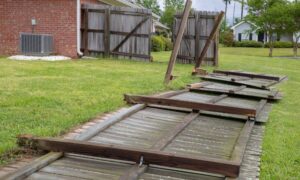
A fence might be pushed over. A tree line may look different. Even the ground can shift in softer areas. So what you saw before the storm may not match what’s there now.
That’s why property lines matter more right after damage.
A fallen tree may sit partly on your yard and partly on your neighbor’s. A fence might need to be rebuilt, but you are not sure where it stood before. Debris may cover areas that used to mark a boundary.
Everything feels unclear.
Why Guessing Can Cost You Later
Most people want to clean up fast. That makes sense. Storm damage feels urgent.
But quick action can lead to mistakes.
If you remove a tree that is not fully on your property, you could face a dispute. If you rebuild a fence in the wrong spot, you may have to tear it down and do it again. That costs time and money.
Even worse, it can strain your relationship with your neighbor.
A small mistake during cleanup can turn into a long problem later.
Start With What You Already Have
Before you call anyone, take a few minutes to check your records.
Look for:
- Your closing papers
- Any past survey
- A copy of your lot plan
These can give you a rough idea of your property shape.
You can also check local map tools used in Indianapolis, such as county or city maps. If you need help, here’s how to get parcel data for a property survey.
Still, treat them as a guide, not a final answer.
Online Maps Are Not Exact Boundaries
This is where many people get confused.
Online maps look clear. You see lines. You see your lot. It feels accurate.
But those lines are not exact on the ground.
They can be off by a few feet. Sometimes more.
That may not seem like a big deal. But when you are placing a fence or clearing a tree, a few feet matters.
So use maps to understand your layout. Do not use them to make final decisions.
Old Markers May Be Gone or Hidden
You might have heard about survey markers.
These are small metal pins placed in the ground to mark corners. Some properties have them. Some do not.
After a storm, these markers can be hard to find.
They may be buried under dirt or debris. They may be covered by grass or leaves. In some cases, they may be moved or damaged.
Fences are also not always reliable. Some fences were placed based on guesswork years ago. Others may have shifted over time.
So if something looks like a boundary, take a step back and question it.
When You Should Pause Before Acting
There are moments after a storm when it’s better to slow down before jumping into cleanup.
You might be getting ready to remove a fallen tree near the edge of your yard or clear debris that landed on both sides of a line that isn’t so clear anymore. Maybe you’re planning to fix a damaged fence or reset a few posts.
This is where it helps to take a second look. When the original line is hard to see, it’s a good idea to check property boundaries before rebuilding a fence so you don’t end up placing it in the wrong spot.
These tasks may seem simple at first. Still, they can affect where your property begins and ends. Taking a little time now can save you from a much bigger problem later.
How to Find Property Lines the Right Way
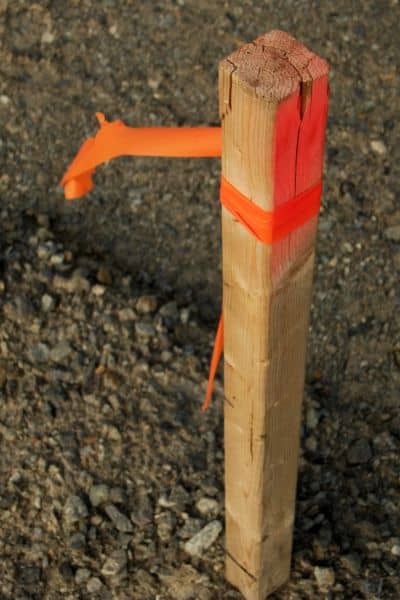
If things are unclear, it helps to slow down before making any big decisions. This is usually the point where homeowners start looking into how to find property lines in Indianapolis, especially after a storm changes how everything looks.
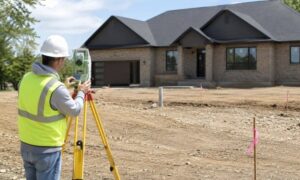
A land survey company can come out and check the boundary on-site. They use official records and real measurements to show where your property begins and ends. They can also place markers so you have something clear to follow.
Once you have that in place, everything feels more straightforward. You can clean up, rebuild, or repair without second-guessing where things should go.
For many homeowners, that clarity makes a stressful situation much easier to handle.
What Can Go Wrong If You Skip This Step
Storm cleanup already takes effort. No one wants extra problems.
Still, skipping this step can lead to:
- Rebuilding a fence in the wrong spot
- Paying to remove something that was not fully yours
- Disagreements with neighbors
- Having to redo work later
These issues often cost more than checking the boundary in the first place.
A Simple Way to Move Forward
You do not need to overthink the process.
Start small.
Check your documents. Look at your property layout. Walk your yard and see what changed.
If anything feels unclear, do not guess.
Get a clear answer before you move forward.
Clean Up With Confidence
Storm damage brings enough stress on its own.
The last thing you need is a property issue on top of it.
When you take a moment to find property lines first, you avoid mistakes that are hard to fix later. You also protect your time, your money, and your peace of mind.
So before you clear debris, rebuild a fence, or remove anything near a boundary, make sure you know exactly where your property begins and ends.