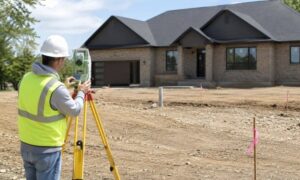
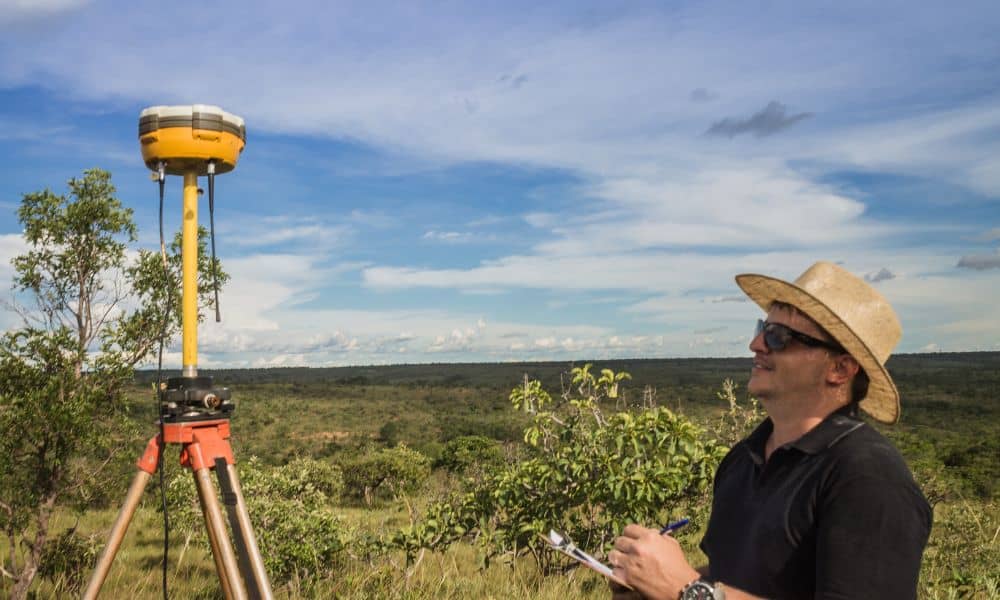
Construction sites today look very different than they did years ago. Instead of relying only on string lines and tape measures, many layouts now use GPS technology. This change helps crews work faster and manage larger projects. Still, it also brings a risk most people never think about: space weather. Recent news about solar storms and glowing auroras caught a lot of attention. While many people enjoyed the view, few realized that the same solar activity can affect GPS signals. When that happens, construction staking surveys can suffer in ways that are hard to notice at first but costly later.
When space weather reaches the job site
Solar storms happen when the sun sends bursts of energy toward Earth. These bursts can disturb the ionosphere, which is the layer of air that GPS signals travel through. When this layer becomes unstable, GPS signals can slow down, bend, or shift before they reach equipment on the ground.
At first, this may sound like a problem only scientists deal with. However, construction staking surveys rely on the same GPS signals. When space weather interferes, accuracy can drop without any clear warning.
That link between solar storms and construction layout often surprises builders and owners. Still, it is real, and surveyors face it more often than most people realize.
GPS problems do not always look like problems
One reason GPS disruptions cause trouble is that they rarely look obvious. The equipment usually still turns on, connects to satellites, and shows numbers on the screen. On the surface, everything seems fine.
However, small issues can appear, such as:
- Longer wait times to lock into a position
- Slight changes in elevation readings
- Layout points that do not line up as expected
Because these changes are subtle, crews may not notice them during staking. Instead, the problem shows up later, once construction has already moved forward.
That delay makes GPS disruptions especially risky for construction staking surveys.
Why construction staking surveys are more exposed
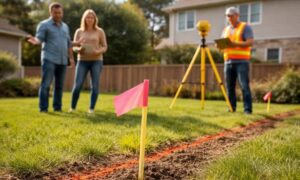
Construction staking surveys take design plans and turn them into real points on the ground. These points guide where foundations, utilities, and structures are built. Once stakes are set, builders trust them and build from them.
This makes the staking phase very sensitive. A small error at this stage does not stay small. Instead, it carries forward into excavation, forming, and building. By the time someone questions the layout, several steps may already depend on it.
In simple terms, staking concentrates risk. When GPS accuracy drops during staking, the whole project can feel the impact.
How GPS disruptions affect active construction sites
When GPS reliability drops, the effects can show up in real and frustrating ways.
For example, a foundation layout may need changes after forms are set because the control points do not match expected dimensions. In other cases, utility lines may clash with existing features once digging begins. Elevation issues can also lead to drainage problems that only appear after grading.
Each of these situations slows progress. Crews may need to stop, check measurements, and restake. Even when fixes happen quickly, they disrupt schedules and create stress across the job site.
Although these problems do not happen every day, they happen often enough that experienced teams take them seriously.
Why many teams overlook this risk
Many people think of GPS as a system that always works the same way. If the receiver connects and shows a position, it feels reliable. Because of that, teams may assume accuracy stays the same every day.
In reality, GPS quality changes with conditions. Solar activity, satellite positions, and the atmosphere all affect signal strength. Without knowing this, teams may move forward without asking questions.
Construction schedules also add pressure. When deadlines are tight, it feels easier to trust the data and keep moving rather than pause and verify. Sadly, that choice can lead to bigger issues later.
How skilled surveyors handle GPS uncertainty
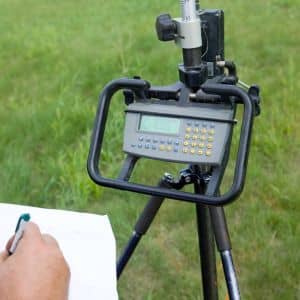
Experienced surveyors know GPS is a strong tool, but not a perfect one. Because of that, they rely on checks and judgment, not blind trust.
They confirm site control before staking starts. They compare results from different measurements. When conditions seem unstable, they take extra steps to verify accuracy. Sometimes, that means slowing down briefly to avoid larger problems later.
This approach does not reject technology. Instead, it uses it wisely. By understanding GPS limits, surveyors protect construction staking surveys even during challenging conditions.
What builders and owners should ask before staking
Project teams do not need to be GPS experts. Still, asking a few smart questions can lower risk.
For example:
- How is site control checked before staking begins?
- What steps confirm layout accuracy?
- How are elevations verified?
- What happens if results do not match expectations?
These questions show that accuracy matters. They also help surveyors and builders work together more smoothly.
Why this matters on today’s construction projects
Modern projects often have tighter tolerances and larger sites. At the same time, schedules allow little room for mistakes. Because of that, even small layout issues can affect many parts of a project.
Construction staking surveys sit at the center of this process. They connect design plans to real-world construction. When GPS disruptions affect staking, that connection weakens.
Awareness helps reduce this risk. So does working with professionals who understand both GPS tools and the conditions that influence them.
Final thoughts
Solar storms may seem far away, but their effects reach construction sites more often than people expect. GPS disruptions rarely announce themselves. Instead, they stay quiet and reveal their impact later.
Construction staking surveys depend on accuracy, experience, and careful checks. When surveyors respect environmental factors and verify their work, projects stay aligned and predictable.
In the end, technology works best when paired with judgment. By valuing both, construction teams can move forward with confidence, even when conditions above the Earth are unsettled.