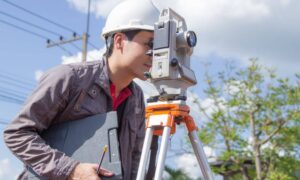

Development is changing. However, the reason may surprise you. It is not a new zoning rule or a major building boom. Instead, the change is coming from better data.
Indiana is rolling out a new statewide LiDAR and imagery program for 2026–2028. The program is led by the Indiana Geographic Information Office. While this update may not sound exciting, it is already changing how projects are planned across the state.
For developers, engineers, and property owners, this update matters. Better data helps teams make smarter decisions earlier, especially in fast-growing areas like Indianapolis.
A statewide update with local impact
Indiana has used LiDAR data before. However, this new program is a big step forward. The state is updating elevation data and aerial imagery using newer standards. The imagery will also be higher resolution than before.
Just as important, the data will be easier to access through cloud-based platforms. Because the program covers the entire state, everyone uses the same reference data.
This consistency matters in Indianapolis. Many projects cross city or county lines. When planners, engineers, and reviewers use the same data, early discussions move faster and with fewer issues.
As a result, development planning starts with stronger information than in the past.
Why early planning is changing
In the past, early planning often relied on rough estimates. Developers reviewed old maps or low-detail elevation data. Sometimes, key site details were missed.
Now, updated LiDAR mapping helps teams review land more carefully from the start. Slopes, drainage paths, and elevation changes are easier to see early on. Because of this, teams can spot problems sooner.
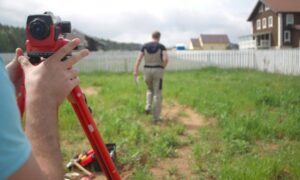
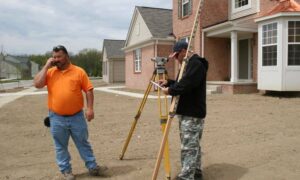
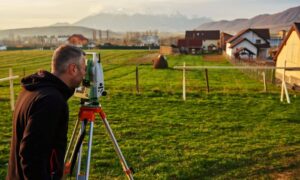
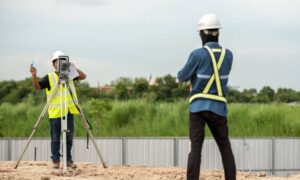
This does not replace professional surveys. Instead, it helps decide when and where a survey is needed.
What this means for developers
Indianapolis has many redevelopment sites. These areas often come with tight spaces and past construction issues. Because of that, early mistakes can be costly.
With updated statewide data, developers can ask better questions early:
- Does the land sit lower than nearby areas?
- Are there signs of drainage issues?
- Could grading be more complex than expected?
These insights help developers decide if a site is worth moving forward with. As a result, lidar mapping professionals now see better planning before design begins.
Due diligence is becoming more informed
Due diligence has always been important. Now, it starts with better information. Updated LiDAR data gives teams a clearer view of the land early on.
Still, public data has limits. LiDAR mapping helps with planning, but it does not confirm legal boundaries or final elevations. Because of that, professional surveys are still required.
The difference is timing. Today, teams begin due diligence with better data, which helps reduce changes later.
Public data does not replace responsibility

Some people believe public LiDAR data replaces professional work. This is not true. State-provided data is for planning, not legal use.
For example, LiDAR data cannot:
- Set property lines
- Replace construction staking
- Serve as a legal survey
Instead, it provides context. Surveyors and engineers use it to guide fieldwork and confirm conditions.
When used the right way, LiDAR mapping reduces risk. When misunderstood, it creates problems.
How surveyors and engineers are adjusting
As data improves, professionals are adjusting their workflows. Surveyors now spend more time explaining how LiDAR data should be used. Engineers use it to shape early designs before field checks begin.
This leads to better teamwork. Clients arrive better informed, and professionals help guide decisions. Because of this, projects move forward with fewer surprises.
Rather than replacing expertise, LiDAR data highlights its value.
Why Indianapolis benefits more than most cities
Indianapolis continues to grow. Much of that growth comes from infill and redevelopment projects. These projects often involve nearby utilities and strict reviews.
Updated LiDAR data helps reduce early uncertainty. Teams gain a clearer view of existing conditions, which helps limit redesigns and delays.
Because many projects involve multiple parties, shared data makes coordination easier.
What project owners should do next
If you plan a project in the next year or two, now is the time to adjust your planning approach. Use statewide LiDAR mapping as a starting point, not a final answer.
Review public data first. Then, work with licensed professionals to confirm site conditions. This approach saves time and helps manage risk.
Good data supports decisions. Expert guidance makes them reliable.
A quiet change with long-term impact
Indiana’s new statewide LiDAR mapping program may not grab headlines. Still, its impact is real. It changes how projects begin and how risks are identified.
For developers and property owners, this update offers an advantage. Those who use the data correctly can plan better and avoid costly surprises.
In the end, smart planning starts with good information—and the right professionals to guide the process.