
Big projects are supposed to move fast in Indianapolis, but sometimes even billion-dollar deals get stuck. That’s what happened when Google pulled its rezoning petition for a massive data center in Franklin Township. Residents filled council chambers, raising alarms about water use, stormwater, flooding, and noise. Minutes before a vote, the plan collapsed. For anyone in real estate or development, this story is more than a headline. It’s a reminder of why due diligence matters and why tools like an alta title survey can make or break a project before ground is even broken.
What Happened in Franklin Township
Google planned to build a 468-acre data center on a capped landfill. It promised jobs and investment, but neighbors worried about the strain on local infrastructure. Concerns focused on power, water, stormwater, and long-term environmental risks.
The council was ready to decide, yet the company pulled out. The sudden move raised a question: how can a project this large, with so much at stake, stumble so late in the process?
The answer lies in site risks. When flooding, easements, or utility gaps surface, they spark pushback and stall approvals. This is where a survey isn’t just paperwork—it’s protection.
The Role of an ALTA Title Survey
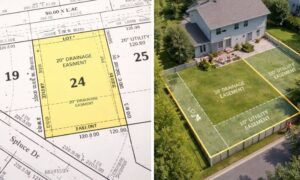
Alta title surveys are the highest standard of land surveying used in the U.S. They don’t just show boundaries; they also document rights of way, easements, flood zones, and utility corridors. Lenders and developers depend on them to understand what can legally and safely be built on a site.
In Indianapolis, councils also lean on this data to weigh rezoning requests. If a survey shows floodplain overlap, missing utility access, or setback violations, it arms both officials and residents with proof that a project isn’t ready.
That’s why an ALTA Title Survey isn’t a luxury for large projects. It’s the foundation that keeps costly surprises from surfacing at the worst time.
The Pressure Points Everyone Missed

Let’s break down what likely mattered most, through the lens of survey work.
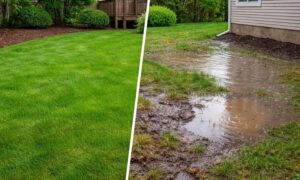
- Flooding and stormwater: The site included sensitive areas where runoff could create problems. A survey with clear flood zone classification would highlight these risks early.
- Utility corridors: Residents feared huge draws on water and electricity. Surveys that map utility easements can show where service exists and where upgrades are needed.
- Setbacks and rights of way: Projects near neighborhoods must prove they won’t push into buffer zones or road access points. Survey data makes this plain.
- Encroachments and land use: Evidence of shared paths or community access can fuel opposition if not resolved upfront.
Each of these connects to the Table A items of an ALTA Title Survey—the optional details that lenders, owners, and developers can request for a deeper look.
Rules Add Extra Weight
Local rules make survey accuracy even more critical. In Marion County, large projects must include drainage notes, floodplain mapping, and utility layouts in their submittals. Council members use this data to judge if a project meets public needs.
If a survey glosses over flood zones or utility gaps, opponents will seize on it. That’s exactly what happened with Google. Neighbors pointed to water and stormwater risks, and those concerns carried real weight because they matched what surveys would have shown.
The lesson? In Indy, you can’t skip ahead. A rezoning lives or dies on whether your survey data holds up under scrutiny.
Lessons for Developers and Lenders
What should you take away if you’re planning a project in Indianapolis?
First, order your ALTA Title Survey early. Don’t wait until you’re deep in design or already at the council stage. By then, it’s too late to adjust without losing time and money.
Second, expand your scope. Basic boundary lines aren’t enough for big sites. Add the Table A items that cover utilities, floodplain zones, setbacks, and evidence of use. It’s cheaper to answer these questions upfront than to risk public backlash later.
Third, think beyond the lender. Yes, banks need the survey to approve financing. But city staff, neighbors, and council members also lean on the same data. A clean, thorough survey builds confidence. A vague or incomplete one fuels doubt.
What Homeowners and Smaller Investors Can Learn
You might think this only matters for billion-dollar companies. Not true. Smaller projects in Indianapolis face the same rules.
If you’re buying land for a subdivision, building near a floodplain, or even refinancing, an ALTA Title Survey protects you too. It shows easements that could block your plans, encroachments that may lead to disputes, and flood zones that trigger insurance or design changes.
The same issues that doomed the Google project—utilities, drainage, setbacks—can derail residential and commercial projects of any size.
Don’t Let Survey Gaps Sink Your Plans
The Franklin Township case is a warning. Even tech giants can’t sidestep local concerns when survey data raises red flags.
For developers, lenders, and property owners, the takeaway is clear. Get your ALTA Title Survey done early, get it done right, and make sure it covers the details that matter most in Indianapolis.
Because once a project reaches the council floor, there’s no time to fix missing data. And in this city, a single unresolved floodplain or utility gap can stop everything.
Conclusion
The Google data center collapse wasn’t just a zoning fight. It was a lesson in preparation. Projects that ignore survey risks will always face opposition. Projects that prove their case with solid ALTA Title Survey data stand a much better chance.
If you’re planning development, don’t gamble. Secure your survey, cover the Table A details, and head into rezoning or financing with confidence. That way, your project won’t be the next big idea that stalls at the finish line.